
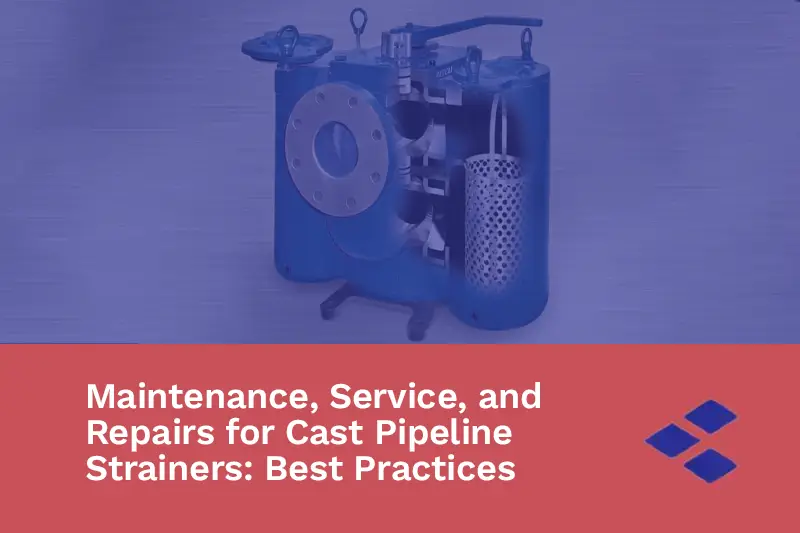
Cast pipeline strainers are key components in many industrial fluid and compressed air systems, acting as the first line of defense against debris, sediment, and other contaminants that can damage downstream equipment. No matter if they are used in water treatment, manufacturing, chemical processing, or HVAC applications, strainers help maintain system efficiency, protect critical components, and prevent costly breakdowns. However, like any piece of industrial equipment, strainers require regular maintenance to perform effectively over time.
Understanding how to properly maintain, service, and repair cast pipeline strainers, such as Eaton’s Y strainers, simplex basket strainers, and duplex basket strainers, can significantly extend their lifespan, improve system reliability, and reduce unexpected downtime. Below are best practices for keeping these critical components in peak operating condition.
Why Strainer Maintenance Matters
Strainers are often overlooked because they passively perform their job in the background. However, neglecting routine maintenance can lead to clogs, pressure drops, reduced system efficiency, and even equipment failure. When debris accumulates in a strainer beyond its capacity, it can restrict flow, increase the pressure differential, and place unnecessary stress on downstream pumps, valves, and compressors.
Regular maintenance ensures that strainers continue to operate as intended, catching harmful contaminants before they cause damage. It also allows operators to identify early signs of wear or corrosion, preventing small issues from escalating into major repairs.
Routine Inspection: The Foundation of Effective Maintenance
Routine inspection is one of the most important aspects of strainer maintenance. The inspection frequency should be based on system demand, fluid quality, and environmental conditions. Facilities with high particulate loads or harsh operating environments may require more frequent monitoring.
Key inspection steps include:
- Visual checks: Look for signs of corrosion, cracking, or physical damage to the strainer body, screen, or housing.
- Pressure differential monitoring: A rising pressure drop across the strainer indicates that debris buildup is restricting flow and cleaning or screen replacement is needed.
- Leak detection: Inspect gaskets, seals, and flanged connections for signs of leakage, which could indicate wear or improper seating.
Cleaning Procedures by Strainer Type
The method and frequency of cleaning depend on the type of strainer and the nature of the contaminants it captures.
- Y Strainers and Simplex Basket Strainers: These strainers typically feature removable screens or baskets. During cleaning, the system should be shut down and depressurized before removing the strainer cap or cover. Debris can be rinsed off with water or removed using a soft brush or approved solvent.
- Duplex Basket Strainers: Duplex strainers are designed for continuous operation. When one basket becomes clogged, flow can be diverted to the clean basket while the dirty one is removed and cleaned—allowing the system to keep running without interruption.
- Self-Cleaning Strainers: While these systems reduce manual maintenance, periodic inspection is still necessary to ensure that the cleaning mechanism is functioning properly and that no excessive buildup is present.
- Temporary Strainers: These are often used during system startup or commissioning to catch construction debris. They should be inspected and cleaned frequently until they are removed from service.
Replacement Guidelines: Knowing When to Repair vs. Replace
Even with proper maintenance, certain components of a strainer will eventually need replacement.
- Screens and Baskets: If screens show signs of wear, pinholes, or tearing, they should be replaced immediately. Damaged screens compromise filtration effectiveness and allow debris to pass through.
- Gaskets and Seals: These should be checked during every cleaning cycle. Any signs of degradation, cracking, or leakage mean they should be replaced to maintain a proper seal.
- Strainer Body: Cast strainers are built for durability, but prolonged exposure to corrosive fluids or extreme temperatures can cause structural damage. If significant corrosion or cracking is detected, consult the manufacturer or a qualified service provider about repair or replacement options.
Best Practices for Long-Term Reliability
Beyond basic cleaning and inspection, adopting a proactive maintenance approach can significantly improve strainer performance and system reliability.
- Maintain detailed records: Keep a maintenance log that tracks inspection dates, pressure readings, cleaning activities, and part replacements. This helps identify trends and predict future maintenance needs.
- Stock critical spare parts: Keeping extra screens, gaskets, and seals on hand reduces downtime when replacements are needed.
- Train maintenance personnel: Proper training ensures that strainers are serviced correctly and safely, reducing the risk of accidental damage.
- Follow manufacturer recommendations: Always adhere to Eaton’s or the manufacturer’s maintenance guidelines for specific strainer models to ensure proper care.
The Value of Proactive Strainer Maintenance
Proper maintenance of cast pipeline strainers protects your entire system and prevents clogs. By staying ahead of potential issues, you can improve efficiency, extend equipment lifespan, and avoid costly shutdowns. A small investment in routine strainer care can save thousands of dollars in emergency repairs and lost production time.
Partner with ESA for Expert Strainer Support
At Engineering Sales Associates, we work with facilities across the Carolinas to maintain, service, and optimize industrial filtration systems, including Eaton cast pipeline strainers. Whether you need routine maintenance, troubleshooting assistance, or replacement parts, our experienced technicians are available 24/7 to support your operation.
If you want to ensure your strainers are performing at their best, contact ESA today for an assessment or maintenance consultation.