
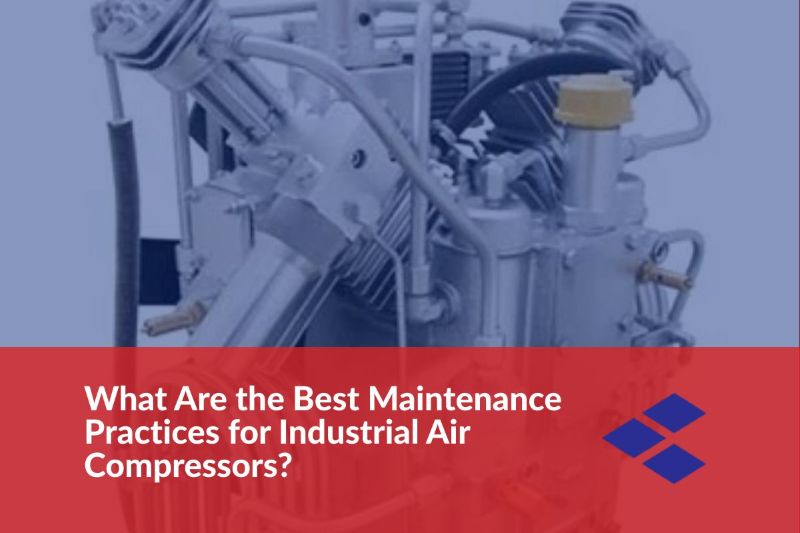
The purchase of an industrial air compressor is a big commitment for any application. When you invest in a piece of equipment like an air compressor, you want to make sure you’re doing everything you need to prolong the life of your machine; that means doing not only reactive maintenance in the event of an issue requiring repair but enacting preventative maintenance practices to take care of maintenance issues before they become larger problems.
Preventative Maintenance for Your Industrial Air Compressor
Preventative maintenance practices are among the best ways to keep your air compressor system running smoothly. Preventative maintenance helps to identify and address issues within a system before they can cause problems for the application as a whole. While preventative maintenance can sound like a lot of time spent ‘keeping an eye on things’ before even encountering issues, in reality, utilizing a proper preventative maintenance schedule makes things much easier for industrial applications when it comes to the detection of problems without taking up significant extra time, not to mention saving time and money for businesses over time.
Preventative Maintenance Practices
When it comes to preventative maintenance, you want to start with regular inspections. Inspections ensure you know how well your system is functioning within your application. Over time, you’ll learn what to expect from your industrial air compressor when it comes to performance, which will allow you to detect problems in performance quickly.
Other preventative maintenance tasks include regular cleaning of your compressor. Dust and debris can accumulate quickly on both the interior and exterior of your compressor. This type of build-up is particularly common in industrial settings, where dust and debris are more commonplace. Keeping your machinery clean helps extend the longevity of your equipment and can also alert you to necessary repairs to keep your system running correctly.
Now, while cleaning and regular inspections are both effective ways to keep your equipment running smoothly, they can be somewhat vague actions. If you’re looking for more specific practices when it comes to preventative maintenance, here are a few tasks to keep in mind:
- Drain your air compressor tank regularly. As your compressor generates air, moisture accumulates within the system. While this is completely normal, it’s important to keep your tank drained. Otherwise, there is the potential for rust to accumulate. Moisture can also cause corrosion within your system, creating significant issues. Some tanks can be drained automatically. Whether yours can be drained automatically or needs to be drained manually, keeping the tank drained is important and can help ensure your system runs properly.
- If your compressor contains oil, ensure that you maintain it properly. Ensure that your oil levels are regularly topped off to keep your system lubricated. As your oil is used, it can become dirty or degraded in quality, which can have negative impacts on your system. When this happens, it’s essential to perform oil changes according to the manufacturer’s instructions.
- Perform regular filter changes on your industrial air compressor to maintain optimal performance. Over time, filters build up debris and other contaminants that they remove from your compressed air. Once filters become dirty, clogs can build up, reducing the filter’s performance and requiring your compressor to work harder to achieve the same results. Replacing filters regularly helps keep your systems functioning properly.
- There are numerous other maintenance tasks that you should keep on top of to ensure your industrial air compressor operates properly. These tasks include checking all the belts and pulleys within your machine and replacing any that are showing wear and tear. You’ll also want to ensure that all moving parts in your equipment are properly lubricated to prevent issues such as overheating. You’ll want to test safety valves and shut-off systems periodically to ensure they are functioning properly and working correctly. Also, check your hoses and fittings to ensure there are no air leaks within your system, as these can significantly impact the output of your compressor.
Making Preventative Maintenance Easier
One key consideration when implementing a preventive maintenance plan is to incorporate sensors that can monitor various factors, such as temperature, vibration, and pressure, within your compressor. These sensors can help alert you to issues that you may not notice, allowing you to take action earlier and avoid costly repairs and downtime before problems become significant.
ESA For Your Preventative Maintenance Needs
The professionals at Engineering Sales Associates are able to appropriately address any concerns you may have about your industrial air compressor. With decades of knowledge, our trained technicians have never encountered a problem they couldn’t solve. The best part? We’re available 24 hours a day, seven days a week, to respond to your needs. With a commitment to resolving issues and fostering relationships with customers, the team at ESA is here for you. Contact us today for a consultation and let us help you develop a preventive maintenance plan for your industrial air compressor.