
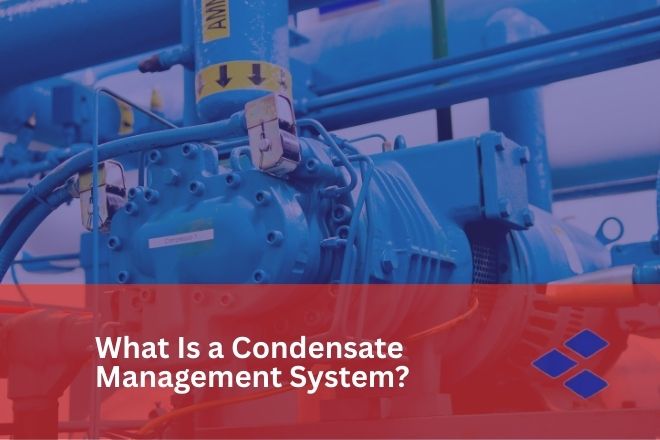
Compressed air is essential in many industrial operations, but it comes with an unavoidable byproduct: condensate. When air is compressed, moisture naturally forms as water vapor cools and condenses into liquid. If that condensate isn’t properly managed, it can lead to equipment damage, safety hazards, regulatory concerns, and unnecessary operating costs. That’s where a condensate management system comes in.
A condensate management system is designed to collect, treat, and safely discharge the liquid byproduct generated by compressed air equipment. Understanding how these systems work—and why they’re so important—can help protect your equipment, your facility, and the environment.
What Is Condensate?
Condensate is the mixture of water, oil, and other contaminants that forms inside compressed air systems. It develops in several places, including air compressors, air dryers, filters, and distribution piping. Depending on the system type and operating conditions, condensate may also contain lubricants, hydrocarbons, rust particles, and other debris.
Left unmanaged, condensate can accumulate quickly and create serious problems for industrial operations.
Why Condensate Management Matters
Proper condensate management is about more than housekeeping. Failing to handle condensate correctly can result in:
- Corrosion and damage to compressors, dryers, and downstream equipment
- Reduced air quality and compromised production processes
- Slippery floors and unsafe working conditions
- Environmental violations from improper disposal
- Increased maintenance costs and unplanned downtime
A well-designed condensate management system addresses these risks by controlling moisture at every stage of the compressed air system.
How a Condensate Management System Works
A complete condensate management system typically consists of several key components working together.
Condensate Drains
Condensate drains remove liquid from compressors, dryers, filters, and air receivers. These drains can be manual or automatic, but automatic drains are preferred in most industrial settings because they reduce the risk of human error and system neglect.
Modern electronic or zero-loss drains release condensate without wasting compressed air, improving efficiency while keeping moisture under control.
Collection Piping
Once condensate is drained from the system, it is routed through dedicated piping to a central collection point. This piping must be corrosion-resistant and properly sloped to prevent backups or blockages.
Oil-Water Separators
In many compressed air systems, condensate contains oil from lubricated compressors. Environmental regulations typically prohibit discharging oily water directly into drains or the ground.
Oil-water separators solve this problem by separating hydrocarbons from water. Clean water can then be safely discharged, while the collected oil is disposed of in accordance with environmental guidelines.
Filtration and Treatment
Some systems include additional filtration stages to remove fine particles or emulsified oils, ensuring compliance with local discharge regulations.
Where Condensate Forms in a Compressed Air System
Condensate is produced throughout the compressed air system, including:
- At the compressor outlet
- Inside aftercoolers and air dryers
- In air receivers and storage tanks
- Within filters and moisture separators
- Along distribution piping, especially in cooler areas
Because condensate forms at multiple points, an effective management system addresses all of these locations rather than relying on a single drain or collection method.
Benefits of a Proper Condensate Management System
Installing and maintaining a condensate management system offers several important advantages:
- Protects equipment by preventing internal corrosion and moisture-related failures
- Improves compressed air quality for sensitive applications
- Enhances workplace safety by reducing slip hazards
- Helps meet environmental and regulatory requirements
- Lowers long-term maintenance and repair costs
- Supports consistent system performance and reliability
In short, condensate management is a critical part of keeping compressed air systems efficient and compliant.
Common Mistakes in Condensate Management
Despite its importance, condensate management is often overlooked. Common issues include:
- Using manual drains that are forgotten or neglected
- Discharging untreated condensate directly into floor drains
- Undersized oil-water separators that cannot handle system output
- Poorly routed piping that allows condensate to back up into equipment
- Lack of routine inspection and maintenance
These mistakes can quickly negate the benefits of even the best compressed air equipment.
Maintaining a Condensate Management System
Like any industrial system, condensate management equipment requires regular attention. Best practices include:
- Inspecting drains for clogs or malfunctions
- Verifying oil-water separator performance
- Replacing filter media as recommended
- Checking piping for leaks or corrosion
- Confirming discharge meets local environmental standards
Routine maintenance ensures the system continues to protect both equipment and the environment.
How ESA Can Help
At Engineering Sales Associates, we understand that condensate management is a critical—but often underestimated—part of compressed air system performance. Our technicians have decades of experience designing, installing, and maintaining condensate management solutions tailored to each facility’s needs.
Whether you’re dealing with excessive moisture, environmental compliance concerns, or aging equipment, ESA can evaluate your system and recommend the right solution.
If your facility relies on compressed air, proper condensate management is essential. Contact ESA today to schedule a system assessment and ensure your condensate is being handled safely, efficiently, and in compliance with regulations.