
Industrial Oil-Water Separators for Air Compressors
Every industrial air compressor produces more than compressed air. As air moves through the system and cools, moisture collects, often carrying traces of oil and other contaminants picked up during compression. That condensate needs somewhere to go, and how it’s handled matters.
An industrial oil-water separator helps facilities manage this by separating oil from the water collected in compressed air systems. The equipment plays an important role in condensate treatment, helping manufacturers handle oily wastewater appropriately while protecting their operations from unnecessary maintenance and disposal problems.
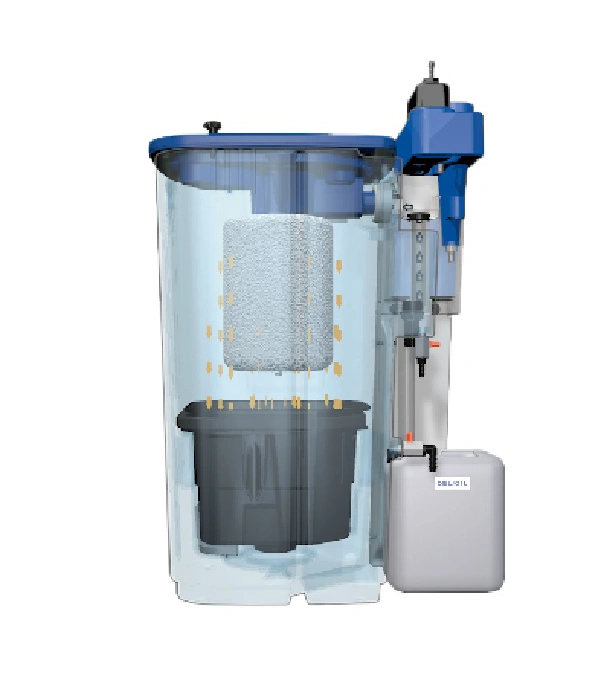
Reliable Condensate Management for Industrial Compressed Air Systems in North and South Carolina
Engineering Sales Associates (ESA) supplies oil-water separators for industrial air compressors throughout North Carolina and South Carolina. No matter if you’re installing a new compressed air system, replacing an aging separator, or seeking replacement filtration media, our team can help you identify equipment suited to your operation.
What Does an Air Compressor Oil-Water Separator Do?

When an air compressor draws in atmospheric air, it also takes in water vapor. Compression and subsequent cooling cause some of that vapor to condense into liquid water. In oil-lubricated compressors, oil can mix in with this moisture, creating contaminated condensate that requires appropriate handling.
Usually, this liquid will collect at different points within the compressed air system, including compressors, air receivers, dryers, and filtration equipment. Automatic or manual drains remove the accumulated condensate, which can then be directed to an oil-water separator for treatment.
An air compressor oil-water separator is designed to remove oil from the collected condensate before the remaining water is managed or disposed of depending on any applicable requirements.
Without proper separation, facilities may face more complicated condensate disposal procedures, increased handling costs, and potential environmental compliance concerns.
For industrial operations that depend on compressed air every day, having the right condensate management equipment makes routine maintenance more manageable.
How Oil-Water Separation Works inCompressed Air Systems
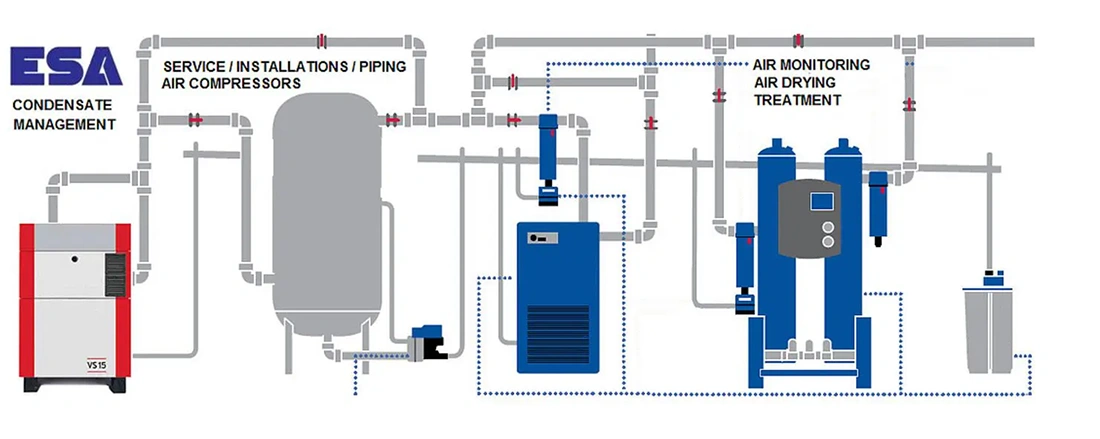
Although designs vary by manufacturer, many compressed air oil-water separators use a combination of physical separation and filtration media to remove oil from condensate.
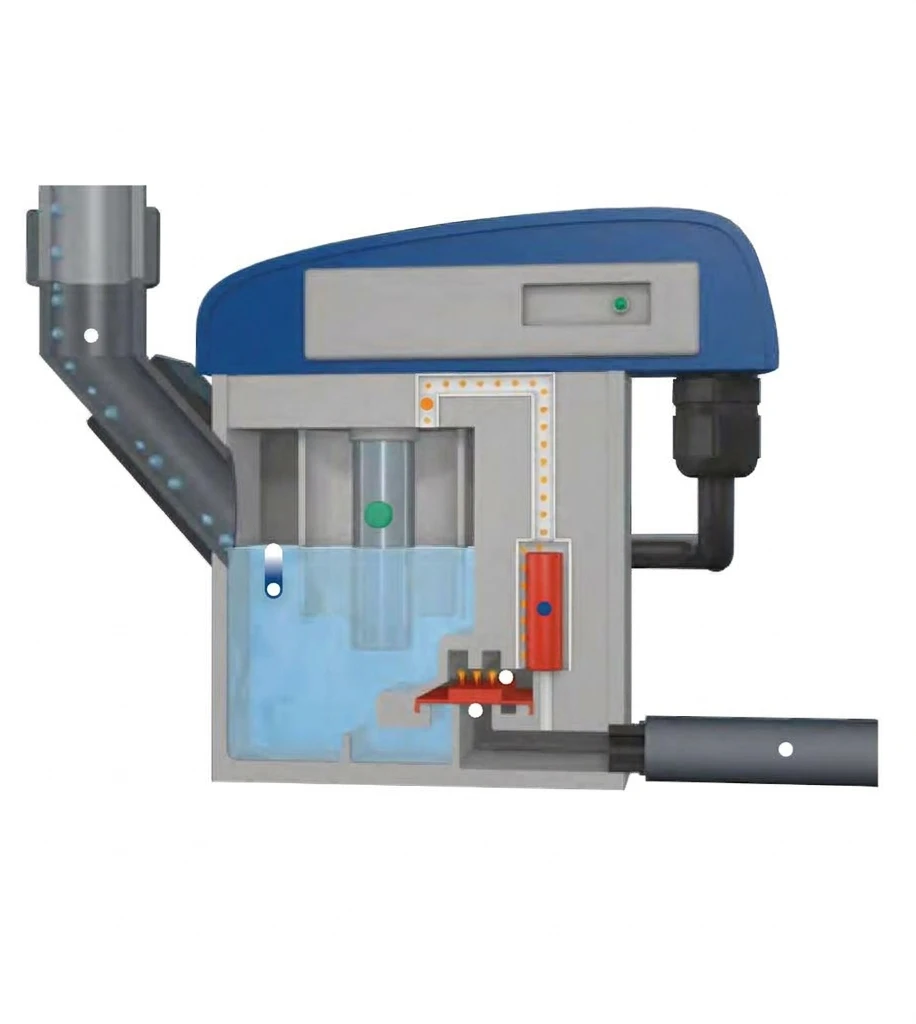
As the oily condensate enters the separator, the equipment begins separating the oil and water. Depending on the system design, this may involve allowing free oil to rise to the surface, passing condensate through specialized filtration media, or using additional treatment stages to capture oil that remains dispersed in the water.
The separated oil must be collected and disposed of appropriately. The treated water must also meet applicable discharge requirements before it can be released into an approved drainage system.
It’s important to understand that an oil-water separator does not automatically make condensate suitable for discharge. Treatment effectiveness depends on the separator design, the type and concentration of contaminants, equipment condition, and applicable local requirements.
ESA helps industrial customers evaluate these considerations when selecting oil-water separation equipment for their compressed air systems.
How to Choose the Right Industrial Oil-Water Separator
Not every compressed air installation produces the same amount or type of condensate. A separator that works well for one facility may not be appropriate for another, even when both operations use similar compressors.
Several factors should be considered when selecting an industrial oil-water separator.
Compressor Capacity and Operating Hours
The number and size of compressors, along with how frequently they operate, influence condensate production. Equipment should be selected with the overall compressed air system in mind rather than looking at one compressor in isolation.
Type of Compressor Lubricant
Different lubricants can affect how oil behaves in condensate. Some oil-water mixtures are more difficult to separate than others, making compatibility with the separator’s treatment process an important consideration.
Condensate Collection Points
There are many areas that condensate can come from, such as compressors, refrigerated dryers, filters, and air receivers. Knowing where it forms and how it gets to the separator helps you choose the right equipment set up.
Operating Environment
There are many things that influence how much moisture enters and condenses within a compressed air system, including temperature, humidity, and seasonal conditions. Facilities in the Carolinas should account for changing environmental conditions when evaluating condensate treatment needs.
Why Compressor Condensate Treatment Matters
Condensate management may not receive as much attention as compressor performance, but it’s a necessary part of operating and maintaining an industrial compressed air system.
If you have a facility that has several compressors, dryers, and air receivers, realize that condensate can be collected at multiple locations. Without a suitable treatment system, that liquid may require additional handling, storage, or off-site disposal.
The right approach depends on how much condensate the system produces, the characteristics of that condensate, and where the treated liquid will ultimately go.
An appropriately selected compressor condensate separator can help facilities:
- Manage oily condensate: Separate oil from the water collected throughout the compressed air system.
- Simplify routine maintenance: Provide an established process for handling condensate removed through system drains.
- Support environmental compliance: Help facilities manage condensate in accordance with applicable disposal and discharge requirements.
- Reduce unnecessary handling: Limit the amount of untreated condensate requiring separate collection or disposal, where operating conditions and treatment results allow.
- Support long-term system management: Make condensate treatment part of a consistent equipment maintenance program.
Maintenance and Replacement Requirements
Oil-water separators also need regular care. When buying, think about how easy it is to inspect, service, and replace filters or media. ESA helps industrial customers review these points and find oil-water separator equipment that fits their compressed air systems.
Oil-Water Separator Filters and Replacement Media
Buying the right separator is just one part of good condensate management. Over time, the filtration media can get saturated or stop working as well.
How often you need to replace parts depends on the equipment, how much condensate it handles, oil levels, and working conditions. Facilities should follow the manufacturer’s maintenance instructions and watch for signs that service is needed.
Potential concerns include reduced treatment performance, changes in discharged water appearance, blocked flow paths, or filtration media that has reached its recommended service life.
Replacing filters or media with compatible components is important. Using the wrong materials can compromise separation performance and create additional maintenance problems.
ESA can assist customers with sourcing appropriate oil-water separator filters, replacement media, and related components. Our team can also help determine whether continued maintenance or equipment replacement is the more practical option for an aging system.
When Should an Oil-Water Separator Be Replaced?
Like other industrial equipment, oil-water separators eventually reach a point where replacement may be necessary.
A separator may warrant closer evaluation when it experiences repeated performance problems, requires increasingly frequent attention, or can no longer accommodate the condensate generated by the facility.
Another thing that can impact separator requirements is changes to the compressed air system. Adding compressors, expanding production, changing lubricants, or modifying condensate collection arrangements may create conditions that the original equipment wasn’t designed to handle.
Before purchasing a replacement, it’s worth reviewing the complete installation to make sure the new unit addresses the facility’s current operating needs.
Why Choose Engineering Sales Associates?
Compressed air systems are central to the manufacturing and industrial facilities ESA serves throughout the Carolinas. We understand that the equipment supporting those systems, including condensate separators, must be selected with the same care as the compressors themselves.
ESA brings experience with industrial compressed air equipment, maintenance, and system operation to the purchasing process. Rather than treating an oil-water separator as an isolated product, we help customers in North Carolina and South Carolina consider how it fits into their existing equipment and condensate management practices.
Our team can assist with selecting and sourcing oil-water separator equipment, identifying replacement filters and media, and addressing related compressed air system needs.
No matter if your facility operates a single compressor or a larger installation serving multiple production areas, ESA can be your partner and help you find an appropriate solution without making the purchasing process more complicated than it needs to be.

Find the Right Oil-Water Separator for Your Compressed Air System
Good condensate management starts with equipment that fits your operation. If you need to buy an oil-water separator, replace an old unit, or find the right filtration media, Engineering Sales Associates is here to help.
Contact ESA today to discuss your compressed air system, review your oil-water separator requirements, and request a quote for equipment or replacement components.